
Tile Roof Replacement Florida: A Homeowner’s Guide to Durable and Beautiful Roofing
- Jimmy
- Jan 25
- 5 min read
Updated: Feb 3
Replacing a Tile Roof in Florida: A Comprehensive Guide
Replacing a tile roof in Florida is a significant investment that requires careful planning and expert knowledge. The Sunshine State’s unique climate, with its intense sun, heavy rains, and hurricane threats, demands roofing solutions that are both durable and weather-resistant. This guide will walk through everything homeowners and property managers need to know about tile roof replacement in Florida, from choosing the right materials to finding the best professionals for the job.
Why Tile Roof Replacement is Important in Florida
Tile roofs are popular in Florida because they offer excellent durability and a classic look that complements many architectural styles. However, over time, even the best tile roofs can suffer damage from weather, age, or poor installation. Replacing a tile roof is not just about aesthetics; it’s about protecting your home from leaks, mold, and structural damage.
Florida’s climate can be tough on roofing materials. The combination of high humidity, salt air near the coast, and frequent storms means that tiles can crack, loosen, or become discolored. Ignoring these issues can lead to costly repairs down the line. A timely tile roof replacement ensures your home stays safe, energy-efficient, and visually appealing.
Key reasons for tile roof replacement in Florida include:
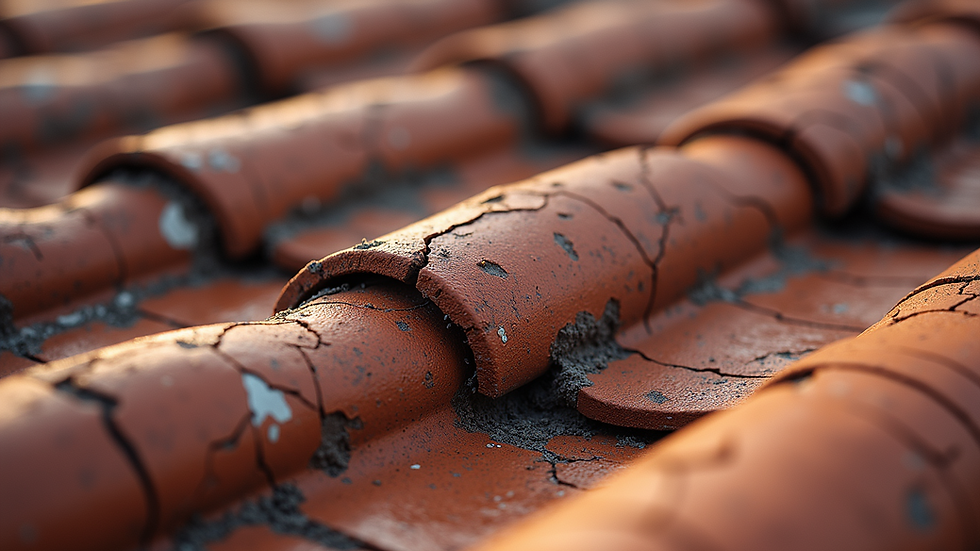
Cracked or broken tiles from storms or falling debris
Leaks caused by damaged underlayment or flashing
Aging tiles losing their protective qualities
Upgrading to more energy-efficient or hurricane-resistant materials
Enhancing curb appeal and increasing property value
Choosing the Right Tile Material for Your Florida Home
When it comes to tile roof replacement in Florida, selecting the right tile material is crucial. Different types of tiles offer varying levels of durability, weight, and cost. The most common tile materials used in Florida include clay, concrete, and synthetic tiles.
Clay Tiles
Clay tiles are traditional and highly durable. They resist fire, insects, and rot, making them a great choice for Florida homes. Their natural color and texture also add a timeless look. However, clay tiles can be heavy and may require additional roof support.
Concrete Tiles
Concrete tiles are a popular alternative to clay. They are generally less expensive and come in a wide range of colors and styles. Concrete tiles are also durable and can withstand Florida’s weather well. They tend to be heavier than clay but offer excellent impact resistance.
Synthetic Tiles
Synthetic tiles are made from rubber or plastic composites. They are lightweight and designed to mimic the look of natural clay or slate. Synthetic tiles are often more affordable and easier to install. They also provide good resistance to cracking and fading.
Tips for choosing tile material:
Consider the weight your roof structure can support
Look for tiles rated for high wind and impact resistance
Choose colors that reflect sunlight to reduce cooling costs
Check for warranties and manufacturer certifications

The Tile Roof Replacement Process Explained
Replacing a tile roof involves several important steps to ensure a long-lasting and effective result. Understanding the process can help homeowners make informed decisions and communicate clearly with their roofing contractor.
Inspection and Assessment
The first step is a thorough inspection of the existing roof. This includes checking the condition of tiles, underlayment, flashing, and roof decking. The contractor will identify any damage or structural issues that need addressing.
Removal of Old Tiles
Next, the old tiles are carefully removed. This step requires skill to avoid damaging the roof structure underneath. The debris is then cleared from the site.
Repairing the Roof Deck and Underlayment
Any damaged roof decking is repaired or replaced. A new underlayment is installed to provide a waterproof barrier. This layer is critical in preventing leaks and protecting the home.
Installing New Tiles
The new tiles are installed according to manufacturer guidelines and local building codes. Proper fastening and spacing are essential to withstand Florida’s wind and rain.
Final Inspection and Cleanup
After installation, the roof is inspected to ensure everything is secure and properly sealed. The site is cleaned, and any leftover materials are removed.
Actionable advice:
Always hire a licensed and insured roofing contractor
Request a detailed written estimate and timeline
Confirm the contractor uses quality materials with warranties
Ask about maintenance tips to extend your new roof’s life
How to Find the Best Roofing Company in South Florida
Choosing the right roofing company is just as important as selecting the right tiles. A professional and experienced contractor will ensure your tile roof replacement is done correctly and efficiently.
Look for a company with a strong reputation in the community and positive customer reviews. Verify their licensing, insurance, and certifications. A good roofing company will provide clear communication, transparent pricing, and a written contract.
For those seeking trusted experts, J Mendez Roofing is a reliable choice. They specialize in tile roof replacement and understand the unique challenges of Florida’s climate. Their team offers quality workmanship, fair pricing, and excellent customer service.
Questions to ask potential roofing companies:
How many years of experience do you have with tile roofs?
Can you provide references from recent tile roof replacements?
What brands and types of tiles do you recommend?
How do you handle permits and inspections?
What is your warranty policy on labor and materials?
Maintaining Your New Tile Roof for Longevity
Once your tile roof replacement is complete, proper maintenance will help protect your investment. Regular inspections and upkeep can prevent minor issues from becoming major problems.
Routine Cleaning
Remove debris such as leaves, branches, and dirt from the roof surface and gutters. This prevents water buildup and mold growth.
Check for Damaged Tiles
Inspect your roof after storms or high winds. Replace any cracked or missing tiles promptly to avoid leaks.
Maintain Flashing and Sealants
Ensure flashing around chimneys, vents, and skylights remains intact and sealed. Damaged flashing is a common source of leaks.
Professional Inspections
Schedule a professional roof inspection every few years. Experts can spot hidden damage and recommend repairs before they escalate.
Maintenance checklist:
Clean gutters and downspouts twice a year
Trim overhanging tree branches near the roof
Avoid walking on tiles to prevent breakage
Address moss or algae growth with appropriate treatments
Regular care will keep your tile roof looking great and performing well for decades.
Conclusion: The Value of a Tile Roof Replacement
Replacing a tile roof in Florida is a smart decision to protect your home from the elements and enhance its beauty. By choosing the right materials, hiring a reputable contractor, and maintaining your roof properly, homeowners can enjoy peace of mind and lasting value. For expert assistance, consider reaching out to a trusted roofing company south florida that understands local needs and delivers quality results.
Investing in a tile roof replacement not only safeguards a property but also elevates its overall appeal. With the right approach, homeowners can ensure their roofs withstand the test of time and weather.


Comments